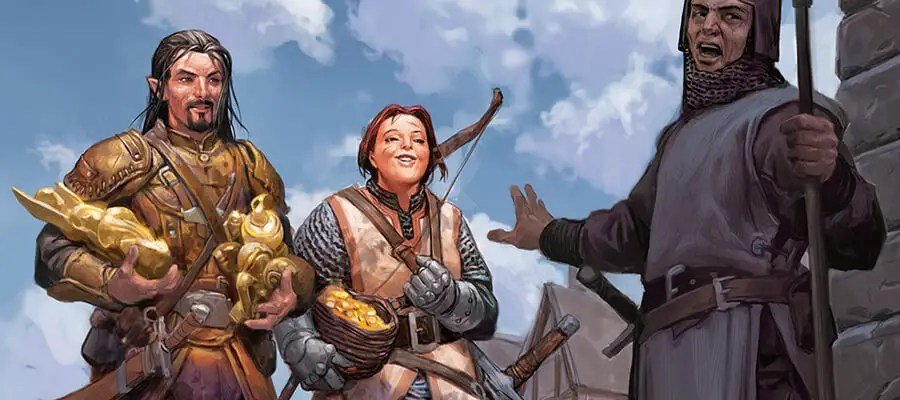
Let's face it: as Dungeon Masters, we put a piece of ourselves into every campaign. We craft worlds, embody dozens of characters, and weave intricate plots. But when it comes to rewarding our players, the default 5e loot generation rules can sometimes feel like a flat note in a symphony. If you're looking to elevate your game and truly engage your players, mastering the art of customizing 5e loot generation for campaigns is one of the most powerful tools in your arsenal.
This isn't about ditching the rulebook; it's about making the treasure feel less random and more meaningful—a bespoke reward perfectly tailored to your story and your heroes.
At a Glance: Crafting Meaningful Treasure
- Problem: Generic 5e loot often feels disconnected, repetitive, and ill-suited for the party.
- Solution: Customize loot to deepen immersion, balance encounters, and drive the narrative.
- Impact: Engaged players, memorable moments, and a stronger, more cohesive campaign.
- Key Strategies: Tailor to party needs, integrate with lore, match loot to encounter difficulty, and use treasure as story hooks.
- Tools & Mindset: Leverage digital generators for efficiency, but always apply DM oversight to ensure relevance and balance.
The Unspoken Challenge of Standard Loot Generation
Imagine spending hours building a compelling dungeon, populating it with unique monsters, and designing a climactic boss battle, only for the final treasure hoard to be... a randomly rolled pile of gold, a few gems, and a magic item no one in the party can use. It's deflating for both you and your players.
The Dungeons & Dragons 5th Edition Dungeon Master's Guide offers fantastic tables for generating treasure, and they serve a vital purpose. They provide a quick, accessible baseline. However, relying solely on these tables often leads to several common frustrations:
- Time Sink: Manually generating treasure hoards can easily eat up 30+ minutes of prep time, time better spent on crafting dialogue or plotting twists.
- Level Mismatch: A legendary item for a level 3 character, or a common healing potion for a level 15 party? Standard generation can easily result in rewards that are wildly inappropriate for the party's power tier.
- Party Gaps & Redundancy: Your party desperately needs healing, but keeps rolling defensive cloaks. Or, everyone already has a +1 weapon, and another one appears. Loot should fill needs, not create more unusable clutter.
- Lack of Narrative Integration: Generic loot rarely sparks roleplay or advances the plot. It's just a thing, not the thing.
- Calculation Errors: With so many rolls and conversions, it's easy to miscalculate total value or item distribution, leading to unbalanced rewards.
When these issues pile up, DMs might be tempted to simply gloss over loot entirely, handing out vague amounts of gold or forgetting magic items altogether. But that's a missed opportunity to truly enrich the game.
Why Loot Isn't Just "Stuff": It's Campaign Fuel
Treasure in D&D is far more than mere inventory filler. It's a fundamental element that invigorates every aspect of your campaign. When thoughtfully designed, loot becomes a powerful catalyst:
- Drives Storylines: A cursed artifact, a map leading to a forgotten ruin, or a key to an ancient vault—loot can literally kickstart an entire arc.
- Solves Party Problems: Does your party lack a dedicated healer? Potions of healing or a Staff of Healing become crucial. Struggling against flying enemies? A magic bow or a Ring of Feather Falling could be a game-changer.
- Enables New Strategies: A seemingly innocuous Potion of Invisibility could open up stealth approaches to a fortress the party had previously deemed impenetrable. A Cloak of the Manta Ray might allow a surprise underwater infiltration.
- Unlocks Exploration: "This gem seems to pulse faintly when we're near ancient elven ruins..." suddenly your players are eager to delve into forgotten lore and explore uncharted territories.
- Creates Memorable Character Moments: Handing a Paladin a holy avenger specifically tied to their deity, or a Rogue a set of masterwork lockpicks with a dark history, makes the player feel seen and their character's journey uniquely rewarded.
- Balances Encounters: By strategically placing items that address party weaknesses or augment their strengths, you can fine-tune the difficulty of future challenges without directly altering monster stats.
The core idea is simple: loot should matter. It should tell a story, solve a problem, or open a door.
Building Your Bespoke Treasure Chest: A Framework for Customization
Moving beyond random rolls requires a framework—a systematic way to think about treasure that ensures every piece of loot serves a purpose. Here's how to approach customizing your 5e loot generation:
1. Know Your Party: The Player-Centric Approach
This is the golden rule. Before you roll a single die or consult any table, ask yourself: Who are my players, and what do their characters need, want, and aspire to?
- Character Sheets & Backstories: What are their classes, subclasses, key abilities, and proficiencies? What are their personal quests, bonds, flaws, and ideals? A Fighter might appreciate a magical shield, but a Fighter who dreams of becoming a dragon slayer would be ecstatic with a sword imbued with dragon-bane properties.
- Party Composition: Are they melee-heavy, ranged-focused, or a balanced mix? Do they have a primary spellcaster, a skill monkey, or a tank? Identify any "gaps" or areas where the party consistently struggles. If they don't have a dedicated healer, our 5e loot generator can help you quickly find suitable healing potions or wands of cure wounds to ensure they don't constantly TPK.
- Playstyle: Do they prefer combat, social encounters, exploration, or puzzles? Loot can cater to these preferences. A group that loves stealth might find a Cloak of Elvenkind more exciting than a flashy magical greatsword.
- Desires & Whispers: Listen to what your players say in and out of character. Do they covet a flying broom? Do they wish they had a way to communicate silently? These are direct clues for future rewards.
2. Weave it into the World: Lore Integration
The most impactful magic items aren't just generic stat boosts; they are artifacts steeped in the campaign's history and mystery.
- Regional Specificity: Is the campaign set in a desert kingdom? Perhaps magic items are often crafted from enchanted sand or infused with the power of djinn. In a dwarven mountain stronghold, gear might be masterfully forged from rare subterranean metals.
- Faction Ties: A weapon might bear the crest of a fallen knightly order, or a spellbook could contain annotations from a renowned archmage known to your world. Such items instantly tie players to the broader narrative.
- Antagonist's Trove: The villain’s treasury shouldn't just contain gold. It should hold items they valued, items related to their schemes, or items that tell a story about them. Imagine finding a journal bound in dragon hide in a dragon cultist's lair, detailing their plans and referencing a specific artifact hidden nearby.
- Cursed & Blessed Items: These are perfect for story hooks. A sword that whispers dark secrets, urging its wielder to violence, or an amulet that protects against a specific type of magic but occasionally reveals glimpses of a forgotten past. These aren't just items; they're plot devices.
3. Match the Reward to the Risk: Encounter-Driven Loot
The difficulty and significance of an encounter should directly influence the quality and type of loot. This creates a sense of progression and stakes.
- Easy Encounters (Goblins, Low-Level Thugs): Focus on consumable items (potions of healing, basic poisons), small sums of gold, common trinkets, and perhaps mundane equipment in good condition. These are often the "survival tax" of adventuring.
- Moderate Encounters (Wolves, Cultists, Challenging Traps): Introduce slightly larger gold sums, valuable gems, perhaps a single uncommon magic item (e.g., a +1 weapon, a Cloak of Protection). These rewards should feel like a solid step up.
- Deadly Encounters (Mini-Bosses, Tough Monsters, Complex Puzzles): This is where you start considering rare magic items (e.g., an Adamantine Armor, a Flametongue sword), significant treasure hoards, or items with unique, narrative utility.
- Boss Fights (Campaign Villains, Ancient Dragons): These are the moments for very rare or even legendary items. This is where characters might find a powerful artifact, a unique spell scroll, or an item that is central to the villain's power or their defeat. Remember: the most powerful items often come with a story, a burden, or a quest for attunement.
4. Fill the Gaps: Strategic Party Balancing
One of the most effective uses of custom loot is to shore up your party's weaknesses. This isn't about giving them everything they want, but about ensuring they have the tools to overcome the challenges you present.
- Healing Deficit: If there's no primary healer, regularly providing potions of healing, a Wand of Cure Wounds, or a Periapt of Wound Closure can prevent frustrating TPKs.
- Frontline Vulnerability: A struggling tank might benefit from a Shield of Missile Attraction (with its flavorful curse!), a Sentinel Shield, or even just some magical plate armor.
- Low Damage Output: A party consistently struggling with combat might need a +1 or +2 weapon, a Flametongue sword, or an item that grants an extra attack.
- Lack of Utility: If your party always gets stuck on locked doors, a Set of Master Tools or a Wand of Secrets could be invaluable. Struggling with social encounters? A Circlet of Blasting (for intimidation!) or a Glimmerweave Cloak for improved Charisma checks could work.
The key is balance. Don't solve all their problems with one item, but incrementally provide solutions that empower them without making challenges trivial.
5. The Ultimate Bait: Story Hooks & Attunement Quests
Loot isn't just about what it does now, but what it can do later. Use treasure to create lingering questions and future adventures.
- Cursed Items: These are narrative goldmines. A Ring of Telekinesis might seem amazing until the user discovers they randomly throw things across the room when stressed. Removing the curse often requires a quest, a ritual, or specific knowledge.
- Artifact Fragments: Why give them the full legendary artifact right away? Give them a piece, a clue, or a map to the next fragment. This turns a single item into a multi-session epic.
- Attunement Quests: Some magic items require attunement. You can make this a simple short rest, or you can require a specific action: "To attune to the Sword of Aethel, you must defeat a beast of elemental fire and cleanse the blade in its cooling ashes." This elevates attunement from a mechanic to a mini-quest.
- Prophetic Items: A crystal ball that occasionally shows cryptic visions, a scroll with an incomplete prophecy, or a magical compass that points towards a specific, powerful entity. These items are like campaign breadcrumbs.
Leveraging Tools Wisely: Generators as DM Aids, Not Replacements
While the goal is customized loot, that doesn't mean you have to invent every single item from scratch. Modern D&D tools can significantly streamline the process, allowing you to focus on the customization aspect rather than the rote generation.
Tools like our 5e loot generator or those provided by Gamemasterkit.com or UtilWiz are fantastic resources. They quickly generate lists of items based on parameters like party tier, category (magic items, treasure, mixed), and official 5e rules.
How to use them like a pro:
- Generate a Baseline: Use a generator to quickly create a large list of potential items for a given party tier or encounter type. This saves you the headache of rolling on tables and looking up item descriptions.
- Filter and Select: Review the generated list. Immediately discard items that are clearly inappropriate (e.g., a weapon for a wizard, an item too strong/weak).
- Customize and Rename: This is where the magic happens. Take a generic "+1 longsword" and turn it into "Blade of the Azure Serpent, a gleaming falchion rumored to have been wielded by an ancient aquatic general, its hilt carved with the scales of a mythical sea beast."
- Inject Lore: Does a specific ring have a simple description? Give it a history. Maybe it was stolen from a noble house, or it belongs to a secretive cult.
- Adjust for Party Gaps: If the generator didn't provide enough healing items and your party needs them, swap out a less useful item for a Potion of Greater Healing.
- Create Story Hooks: Look at the generated items and think: "Which of these could be cursed? Which could lead to a quest? Which could be part of a larger set?"
- Export and Record: Most good generators offer export options. Use them to keep meticulous notes for your campaign, ensuring you remember what loot was given and to whom.
Crucial Point: These tools are inspiration and convenience. The actual value and availability of items must always be balanced by your judgment as the DM based on your campaign's needs and the party's level. Never let a random roll dictate your story.
Practical Tips for Crafting Memorable Treasure
Tip 1: Think "Why," Not Just "What"
Before you place any item, ask: "Why is this here? How did it get here? Who left it? What purpose does it serve for the narrative or the players?" Answering these questions immediately elevates a generic item into a piece of the world.
Tip 2: The Rule of Three (or One)
For major treasure hoards, aim for a few significant items that cater to different party members, plus some consumables and gold. For smaller caches, a single, highly relevant item can be more impactful than three mediocre ones.
- Example: A boss's hoard might include:
- A magical greatsword for the Barbarian (combat)
- A rare spell scroll for the Wizard (utility/magic)
- A bag of holding for the whole party (convenience)
- A decent sum of gold and some gems (wealth)
Tip 3: Don't Be Afraid of Mundane Value
Not every piece of treasure needs to be magical. Rare spices, fine wines, artisan tools, exotic furs, or historical documents can be valuable for trade, faction reputation, or simply for their narrative significance. A player might gain more satisfaction from trading a rare spice for an audience with a merchant prince than from finding another +1 dagger.
Tip 4: Consider the Burden of Wealth
Too much gold can trivialise the game economy. Think about what players can do with their money in your world. Are there strongholds to build, organizations to fund, expensive spell components to buy, or luxurious lifestyles to maintain? If money has meaningful sinks, giving out more becomes less problematic.
Tip 5: The "Empty Slot" Principle
Occasionally, provide an item that, while not immediately useful, has potential. A worn leather-bound journal with a few cryptic entries, an oddly shaped key with no obvious lock, or an unidentifiable crystal. These "empty slots" in the loot generation create intrigue and future quests.
Tip 6: The Story of a Single Coin
Even a single gold piece can have a story. "This gold piece bears the faded image of a long-dead queen, rarely seen in circulation." Suddenly, it's not just money; it's a historical artifact, a potential clue, or a collector's item.
Addressing Common Concerns & Misconceptions
"My Players Just Sell Everything!"
This is a common lament. If players constantly sell magic items, consider a few solutions:
- Unique & Unsellable: Make items truly unique or tied to lore, making them hard to value or sell to common merchants. Who wants to buy "The Shield of the Blighted Forest," a relic tied to a specific local curse?
- Attunement Requirements: Many powerful items require attunement. If it fills a niche for them, they're more likely to keep it.
- Sentient Items: Sentient weapons or armor will simply refuse to be sold.
- Magical Item Economy: Make magic items rare and difficult to sell or buy. Perhaps only specific, secretive enclaves deal in such goods, and they offer poor prices. This makes players value the items they find more.
- Show, Don't Tell: If a player sells a useful item, have a future encounter where that item would have been incredibly helpful. They'll learn.
"How Much Magic is Too Much Magic?"
This depends entirely on your campaign's tone. A high-magic campaign might see players swimming in magic items, while a low-magic, gritty campaign might make a +1 weapon feel like a legendary artifact.
- Guideline: For standard 5e, aim for 1-3 attuned magic items per player by mid-tier (levels 5-10), plus a few non-attuned items. Legendary items should be rare, perhaps one per player by the end of a long campaign.
- Balance: If your players feel too powerful, simply adjust encounter difficulty. More magic doesn't inherently break the game if you scale the threats accordingly.
"What if I accidentally give them something too powerful?"
It happens! If you realize an item is unbalancing the game, you have options:
- The Reveal: The item has a hidden downside or a limited number of charges you hadn't mentioned.
- The Quest: The item attracts unwanted attention, leading to a new quest where the players must protect it or wield it responsibly.
- The Deterioration: The item slowly loses its power or breaks after repeated, powerful use, requiring a quest to repair or recharge it.
- The Retcon (Last Resort): In extreme cases, a gentle retcon with player consent is better than a ruined campaign. "Hey, I realized this item is a bit much. Would you be okay if we adjusted its properties slightly, or perhaps it needs a special ritual to unlock its full power?"
The Art of Reward: Engaging Your Players Through Thoughtful Loot
At the heart of every great D&D campaign is engagement. Players want to feel like their actions matter, their struggles are rewarded, and their characters are growing within a dynamic world. Customizing your 5e loot generation isn't just a mechanical tweak; it's a profound way to achieve all of this.
By moving beyond simple random rolls and instead curating treasure that resonates with your party's needs, your campaign's lore, and the narrative stakes, you transform mundane "stuff" into memorable artifacts, powerful tools, and compelling story hooks. Each piece of custom treasure becomes a carefully placed jewel in the crown of your campaign, ensuring that your players not only defeat the monsters but also truly feel like the heroes of their own epic tale.
So, go forth, Dungeon Master, and craft treasure worthy of your heroes. Your players—and your campaign—will thank you for it.