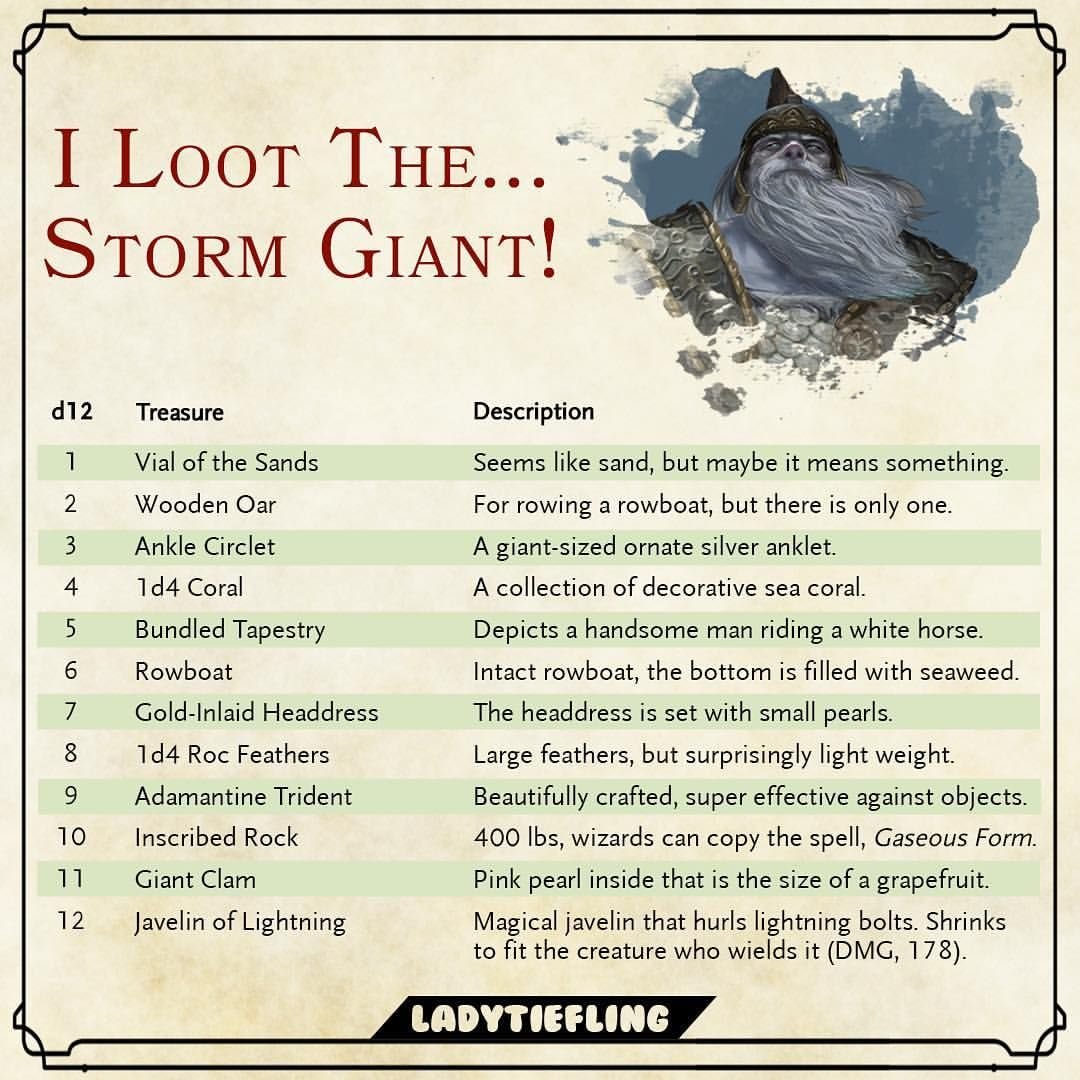
In Dungeons & Dragons 5th Edition, the treasure you bestow upon your players isn't just shiny baubles; it's a potent force that dictates the rhythm of your campaign, defines player capabilities, and ultimately, shapes the story you tell together. Effective balancing 5e loot for player progression isn't merely about rolling on a random table; it's an art form that deeply impacts player immersion and the long-term health of your world.
Done right, loot is a narrative accelerant, a source of delightful surprise, and a wellspring of character development. Mismanaged, it can break your game, create player resentment, or trivialize every challenge. This guide will walk you through crafting a loot philosophy that elevates your D&D experience, making every treasure a meaningful moment.
At a Glance: Your Treasure Trove Toolkit
- Loot isn't just gold: It includes gear, artifacts, knowledge, favors, and even land.
- Balance matters: Too much trivializes threats; too little stifles progression and fun.
- Story dictates everything: Loot should make sense in your world and advance your narrative.
- Consequences are key: Taking unauthorized loot should have repercussions.
- Tailor loot to players: Ensure everyone gets items that suit their character and playstyle.
- Avoid "future loot" promises: Let treasure be earned and feel organic.
- The "how" is as vital as the "what": How loot is discovered and distributed shapes player experience.
More Than Just Gold: Understanding the Many Faces of D&D Loot
When we talk about loot, most DMs instantly picture piles of gold and gleaming magic swords. But D&D's treasure chest is far wider than that. Truly mastering the art of balancing 5e loot for player progression requires recognizing its diverse forms and understanding the unique impact each type has on your game.
The Tangible & Transactional: Money
Gold, silver, copper, and precious gems are the universal currency of most fantasy worlds. Money provides players with resources, allowing them to buy supplies, pay for services, or invest in their burgeoning adventuring careers.
- Gems & Valuables: Beyond simple coin, unvalued gems and rare minerals offer additional layers of gameplay. They require appraisal, finding buyers (which isn't always easy or safe), and can lead to complications like theft, damage during transport, or haggling. These moments create fantastic opportunities for character-driven encounters and story hooks. Imagine your party haggling with a shifty merchant in a back alley, or trying to protect a priceless ruby from a band of opportunistic thieves.
The Practical & Powerful: Gear
Gear is perhaps the most universally welcomed form of loot. New weapons, armor, shields, or utility items directly increase a character's power and capabilities. However, there's a fine line to walk here:
- Avoid Overwhelm: Resist the urge to constantly shower your players with gear that's simply "stronger." Giving out too many similar or strictly superior items not only makes enemy balancing a nightmare but also devalues each piece.
- Beyond the Stat Block: Think creatively. Gear can be damaged, requiring repair. It could be cursed, sentient, or simply ill-fitting, forcing players to adapt. A beautiful, decorative piece of armor (a "placating item") can still feel like a win, even if it offers no mechanical advantage. Or perhaps the gear is already claimed, leading to ethical dilemmas or confrontation. These nuances add significant depth and memorable moments far beyond a simple +1 bonus.
- Alternative Uses: Remember, not all gear is for equipping. It can be sold, broken down for components, or even used by NPCs your players encounter, influencing the world around them.
The Legendary & Lore-Bound: Artifacts
These are the rare, story-driving items – ancient magic scrolls, fragments of a divine weapon, a historical artifact tied to a forgotten empire. Artifacts are often tied directly to your campaign's lore and typically come with both immense power and significant drawbacks or dangers.
- Rarity & Impact: Artifacts should be genuinely rare finds, not common dungeon dressing. Their very existence often attracts unwanted attention, making their possession a liability as much as an asset.
- Plot Devices: Selling an artifact might require extensive research to find a suitable (and safe) buyer, which can become a quest in itself. Their discovery can trigger new quests, reveal hidden truths, or even shift the balance of power in your world.
The Intangible & Unexpected: Other Loot
This is where loot truly becomes a narrative tool, offering endless possibilities beyond conventional treasure.
- Intangible Rewards: Knowledge (a forgotten ritual, a monster's weakness), favors from powerful NPCs, a boosted reputation within a faction, developing relationships, securing safe passage through dangerous territory, or even influencing the fate of a species are all powerful forms of loot. These items don't fit in a backpack, but they can be game-changing.
- Unusual Treasures: Livestock, a deed to a plot of land, a sturdy cart, or even parts harvested from a defeated creature (a dragon's scale, a troll's heart) can be incredibly valuable. These types of loot are less common, open up countless story developments, and often present players with significant moral choices. Should they sell the rare creature parts, or use them for a powerful alchemical brew?
The Art of the Drop: When, How Much, and Why
Distributing loot effectively isn't about throwing treasure at your players; it's a careful dance between scarcity and abundance, challenge and reward. It requires a thoughtful approach to ensure it enhances the story and player progression without breaking the game.
Timing is Everything: When to Distribute Loot
Loot should feel organic, appearing when it makes sense within the story. Consider the narrative context:
- Narrative Flow: Does the loot belong here? A dragon's hoard makes sense in its lair. A bandit leader might have stolen goods. A long-lost tomb would hold ancient relics.
- Economy of the World: Be mindful of the "game economy"—not just player resources, but the overall wealth and resource availability in your fictional world. An impoverished village isn't going to have a treasury full of magic items.
- Pacing: The act of looting interrupts the flow of the game. Sometimes, this pause is necessary for celebration or decision-making. Other times, it can be an unwelcome distraction. Use it intentionally.
Finding the Sweet Spot: How Much Loot to Give
The quantity of loot directly impacts the game's difficulty and player satisfaction.
- Contextualize: Tailor the amount of loot to the story's context and your players' needs. If your campaign requires them to pay off a massive debt or maintain a military base, they'll need more money than if they're exploring a poor, isolated wilderness.
- Supply Costs as a Guide: Use the cost of basic supplies (potions, spell components, lodging) as a benchmark. Do your players have enough to cover their adventuring expenses without feeling destitute, but not so much that money becomes meaningless?
- Impact on Difficulty: More loot generally makes the game easier, but it can also introduce more significant threats designed to challenge well-equipped parties. Less loot makes unique or powerful items feel incredibly special and hard-won.
- Beyond the Expected: Reward players who go above and beyond expectations during a quest, or who discover hidden caches, seemingly mundane but valuable items, or successfully gain information or ransom from a living NPC. These unexpected bonuses create memorable moments of success.
Rooting in Reality (or at Least, Consistency): Realism in Loot
Your world's internal logic should extend to its treasures.
- World Rules: Animals don't typically carry gold pouches (unless, perhaps, it's a very specific kind of magical beast!). A shipwreck will have water-damaged goods. Maintain consistency with your established world rules.
- Plausible Contexts: If you do want a bear to have coins, create a plausible context: "You find a crude pouch of coins ripped from a traveler's belt within the bear's digestive tract."
- Enemy's Advantage: Remember that your enemies aren't just loot dispensers; they're intelligent beings. If they possess powerful items, they'll likely use them in combat. This forces players to think strategically about how to acquire desired gear.
The Ripple Effect: Consequences of Taking Loot
Loot isn't free. Every acquisition has potential repercussions.
- Moral Dilemmas: Taking unauthorized items, even from bandits, can have consequences. Defiling sacred sites for treasure might incur divine wrath or curses. These moments create rich moral dilemmas, especially for characters who align with law or good.
- Reputation: Stealing from a dragon might be heroic, but ransacking a friendly village, even if justified by 'greater good,' will damage the party's reputation.
- Plot Hooks: Consequences can also be fantastic plot hooks. Perhaps the "owner" of a particularly powerful item comes looking for it, leading to a new nemesis or an unexpected alliance.
Strategic Planning: Weaving Loot into Your Campaign Arc
Loot should be an integral part of your campaign design, not an afterthought.
- Align with Goals: Tailor loot distribution to your campaign's long-term plans and your players' character goals. If a fighter dreams of a legendary sword, hint at its existence and create a path to acquire it.
- Resource Management: Ensure players have enough resources to tackle the challenges you throw at them. A sudden, challenging boss fight shouldn't catch them completely unprepared for lack of healing potions or spell components.
- Memorable Moments: Create stark contrasts: a period of extreme poverty followed by a sudden windfall, or the loss of a prized possession that triggers a new quest to recover or replace it. These emotional highs and lows make the game unforgettable.
- Know Your Players: Understand what your players enjoy. Do they love min-maxing? Focus on powerful magical items. Are they roleplay-heavy? Offer unique, lore-rich items with story implications or social rewards.
- Trophies & Keepsakes: Provide opportunities for players to collect mementos and trophies—the head of a defeated demon lord, the first weapon they ever wielded, a unique piece of artwork. These act as emotional reminders of their journey and can become future plot points or sources of renown.
Addressing D&D-Specific Loot Challenges
While the general principles of loot apply across many RPGs, D&D 5e has its own quirks and common pitfalls that DMs need to navigate. Balancing 5e loot for player progression often comes down to managing player expectations and understanding the mechanics unique to the system.
The "How" is Paramount
It's not just what loot you give, or when you give it, but how it's discovered and distributed that profoundly shapes the player experience and overall game balance. A magical item found hidden behind a cunning puzzle feels far more rewarding than one simply handed over.
The Uneven Haul: Not Everyone Gets a Share
Magic items, especially powerful ones, are rare. It's unrealistic to expect every player to receive a perfectly tailored magic item after every encounter. The real issue arises when one player consistently gets nothing, or when one player hoards all the best items while others languish.
Agency vs. Balance: The Accidental Acquisition
What happens when players find and take an item you never intended for them to have? This is a classic DM dilemma:
- Option A (Player Agency): Let them have it. This preserves player agency, which is almost always a good thing. However, it can disrupt your carefully planned campaign balance. You'll need to adapt future encounters to account for their new power.
- Option B (DM Intervention): Intervene, somehow removing or invalidating the item. While this might restore balance, it often feels arbitrary and robs players of their agency, leading to frustration. This is generally the worse option.
- The Better Path: Embrace Option A. Players love feeling clever for outsmarting your designs. Adjust on the fly. Maybe the item is slightly less powerful than they think, or it has a hidden drawback. Or maybe, your campaign just got a little tougher, and that's okay!
Tailoring the Treasure: Generic vs. Specific Items
To ensure everyone feels rewarded, think about loot in two categories:
- Generic Use Items: These are universally beneficial, like a Ring of Protection or a Bag of Holding. These should be considered group assets, often benefiting the party as a whole or going to whoever needs it most.
- Specific Use Items: These items shine for particular classes or character builds (e.g., Boots of Elvenkind for a rogue, a Wand of Magic Missiles for a spellcaster). These are prime candidates for individual targeting. If a player has consistently missed out on loot, deliberately craft or place a highly specific, targeted item that perfectly complements their character. This ensures everyone gets their moment to shine. For instance, consider using a tool like our 5e loot generator to find inspiring, roleplay-rich items that resonate with individual character backstories.
Ensuring Critical Loot is Found
It's frustrating for both DM and players if vital plot-driving or progression-critical loot is missed because players didn't search the exact pixel you had in mind.
- Redundancy is Key: Never tie crucial loot to a single, specific location that players could easily bypass. If players miss a key item in one spot, be ready to move it to an alternative, accessible location. Perhaps the bandit leader carried the quest item, not their chest, or a hidden message reappears in a different ruin. This ensures players aren't unfairly penalized for unexpected choices.
The Value of the Mundane: Non-Magic Items
Don't underestimate the power of non-magical rewards.
- Money: Gold is the easiest loot to distribute and almost always welcome.
- Game-Changing Items: Unusual items like a deed to a house, a fully functional boat, or even a well-stocked workshop can be incredibly valuable, truly altering the game. These should be considered group resources, requiring shared decision-making.
- Favors: Favors from powerful NPCs are potent intangible loot. Treat these as either group rewards (a favor for the party) or individual (a favor for a specific character for their exceptional efforts).
- Avoid "Loot in the Future" Promises: Never tell players they will receive a specific item later. This sets an expectation that can lead to disappointment or a feeling of entitlement when the item is finally received. Loot should feel earned and, ideally, a pleasant surprise. Let the treasure feel like a natural consequence of their actions, not a pre-destined reward.
The Emergency Drop: When Balance Goes Awry
Sometimes, despite your best efforts, your party might become severely unbalanced, or you might realize you've made a mistake in loot distribution. As a last resort, you might need to "inject" loot to correct the course.
- Roleplay, Roleplay, Roleplay: Do NOT simply hand out items. Distribute emergency loot through roleplay. Ensure players earn the item through effort. This could involve:
- Helping an NPC: An NPC could gratefully reward them with an item they happen to have.
- Downtime Activities: A character's downtime might yield a discovery or a specially crafted item.
- Completing a Task: A seemingly minor task could lead to a valuable find.
- Signs of Friendship: A loyal ally might gift a special item.
- Avoid Arbitrary Gifts: Randomly giving an item to one player will almost certainly cause resentment among the others. Make it feel earned, even if you guided them to the opportunity.
Mastering Your Loot Game: Elevating the Campaign Experience
Balancing 5e loot for player progression isn't just a mechanical exercise; it's a profound opportunity to enhance storytelling, foster character growth, and create truly unforgettable moments at your table. By moving beyond simple coin hoards and generic magic items, you can transform treasure into a vibrant, living part of your world.
Think of every piece of loot as a narrative prompt. How does this item tie into the world's history? What stories does it tell? What difficult choices does it present to your players? When you approach loot with this mindset, you're not just distributing power; you're weaving the very fabric of your campaign.
Empower your players with meaningful choices, reward their ingenuity, and surprise them with treasures that resonate deeply with their characters and the unfolding saga. Your campaigns will be richer, your players more engaged, and every victorious delve into a dungeon will feel like a truly epic achievement.